

The appraisal can be one of the most nerve-wracking steps in the home buying and selling process. Just because the buyer and seller agree on a price does not always mean the appraiser and lender will agree with that value.
For sellers, the appraisal can affect whether the sale moves forward smoothly. For buyers, it can impact financing. Understanding what an appraiser looks for can help both sides feel more prepared — because surprises are great for birthdays, not real estate transactions.

How Appraisals Work
When a home buyer is using a mortgage, the lender orders an appraisal to confirm that the property supports the loan amount. The goal is to make sure the home is worth at least as much as the buyer is borrowing.
An appraiser is a licensed or certified third-party professional hired through the lender’s appraisal process. Their fee is usually included in the buyer’s closing costs.
The appraiser will typically visit the home to evaluate the interior and exterior, noting the size, layout, condition, upgrades, and overall functionality. They will also review recently sold comparable homes in the area before assigning an appraised value.
What Appraisers Look For
If you are selling your home, you may wonder whether the appraised value will match the agreed-upon sale price. While no one knows for certain until the report comes back, understanding the main factors appraisers consider can help you price and prepare more strategically.
The square footage of the home and the size of the lot are major factors. Appraisers compare the property to recently sold homes with similar size and features.
The overall condition of the home matters. The appraiser will look at the roof, windows, floors, systems, materials, and visible signs of wear or deferred maintenance.
The number of bedrooms and bathrooms helps determine value, especially when compared to similar homes nearby. Extra rooms may also be considered.
Older homes may appraise differently than newer homes depending on maintenance, updates, systems, and buyer demand.
Appliances may not make or break an appraisal, but their age, condition, and functionality can contribute to the appraiser’s overall view.
An appraiser is not doing a full inspection, but visible cracks, sloping floors, or structural concerns can affect value.
Visible water damage can reduce value because it may indicate larger repair issues. Stains, moisture concerns, or signs of leaks should be addressed when possible.
A garage can add value, especially in markets where parking and storage are highly desirable. Size, layout, and functionality matter.
A finished basement can increase usable space and appeal, but it may not always be included in the home’s official above-grade square footage.
Location plays a major role. Appraisers consider neighborhood demand, nearby comparable sales, transportation, schools, amenities, and market conditions.

Common Issues That Can Hurt a Home Appraisal
While appraisers primarily determine value based on comparable sales, condition, size, and location, certain issues can raise concerns during the appraisal process and potentially affect financing.
Garage conversions can become an issue if the space was finished without permits or if the home loses valuable parking functionality.
Missing or outdated smoke and carbon monoxide detectors can create safety concerns and may need to be corrected before certain loans can close.
Peeling paint, especially on older homes, can raise red flags for FHA or VA financing because of health and safety guidelines.
Visible unfinished renovations or incomplete projects can make buyers, lenders, and appraisers question the overall condition of the property.
Signs of roof damage, sagging ceilings, foundation cracks, or structural movement can impact value and lender confidence.
Visible water stains, mold, or moisture problems can significantly affect an appraisal because they may indicate larger repair issues.
Rooms, extensions, or finished spaces completed without permits may not be included the same way in the home’s value calculations.
Loose railings, missing steps, exposed wiring, broken windows, or trip hazards can become concerns for appraisers and lenders.
Not every issue will automatically lower a home’s value, but correcting visible maintenance and safety concerns before listing can help reduce complications during the transaction process.

Why Location Matters So Much
Two similar homes can appraise very differently depending on where they are located. In Staten Island, neighborhood demand, parking, commute options, condition of nearby homes, and access to parks, shopping, schools, and transportation can all influence value.

How Upgrades Impact Appraisals
If you have renovated your home, you may wonder whether those improvements will be reflected in the appraisal. While condition and quality do matter, not every upgrade adds dollar-for-dollar value.

Kitchen and bathroom updates often provide strong value because buyers pay close attention to these spaces. Updated fixtures, cabinetry, counters, appliances, and finishes can support both market appeal and appraised value.
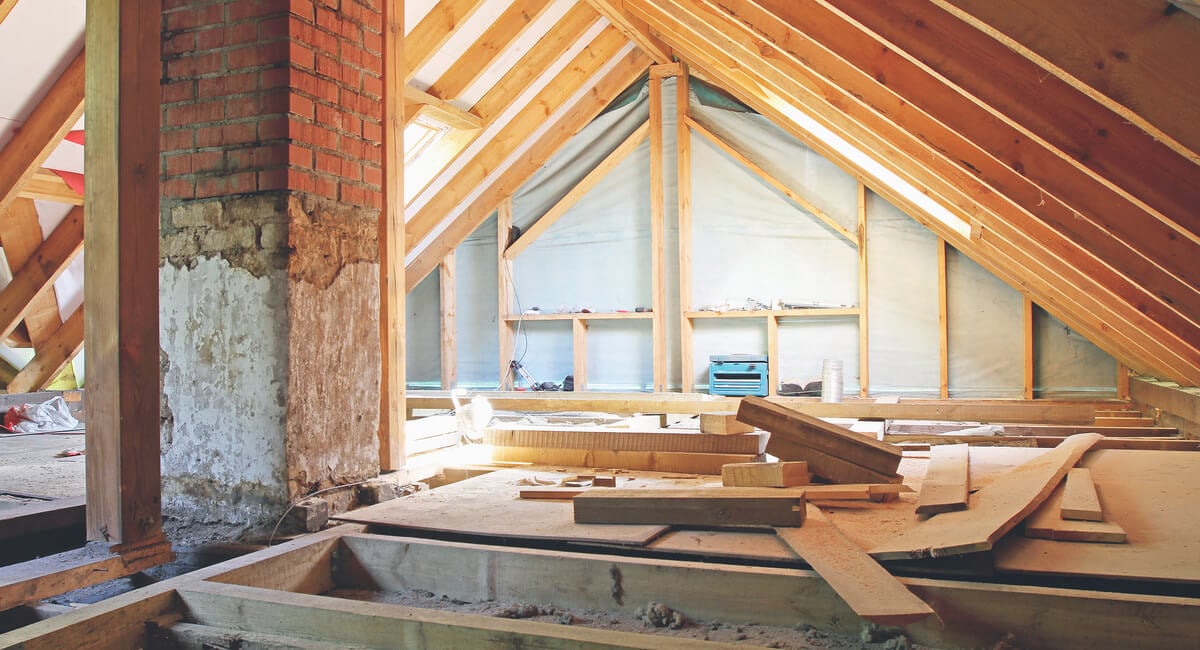
Finishing a basement or attic may increase appeal and usable space, but this space may not always be counted the same way as above-grade living area.
A pool may or may not increase value depending on the local market. In some neighborhoods, it is a sought-after feature. In others, buyers may view it as extra maintenance.

Fresh paint, updated hardware, lighting, and backsplash can help a home show beautifully, but cosmetic improvements may not always have a major impact on appraised value. They can, however, help create stronger buyer interest.
Final Thoughts
The appraisal can feel stressful for both buyers and sellers. If a home appraises below the agreed-upon sale price, it can create challenges with the buyer’s loan and may require additional negotiation.
The most important factors are usually the home’s size, layout, location, condition, and comparable sales. Before listing your home, it is wise to consider these same factors so you can set a realistic pricing strategy from the start.
When pricing a Staten Island home, the goal is not just to choose a number that sounds good. The goal is to support that number with market data, condition, presentation, and strategy.
Thinking About Selling Your Staten Island Home?
Before you list, let’s look at your home’s condition, recent comparable sales, and pricing strategy so you can move forward with confidence.