

JOANN IMPELLIZINE · HOME BUYER GUIDE
Buying a Home With a Septic System: A Buyer’s Guide
A little knowledge and a thoughtful inspection can help you approach a home with septic with confidence.
Finding a home you love that has a septic system does not have to be intimidating. A properly designed and maintained system can provide reliable wastewater treatment for many years. Like a roof or heating system, it deserves a professional evaluation and a plan for routine care.
Septic systems serve homes that are not connected to public sewer. They are common in rural areas and are also found in some suburban communities. Understanding the system can help you make a confident buying decision and plan for ownership.
How Septic Systems Work
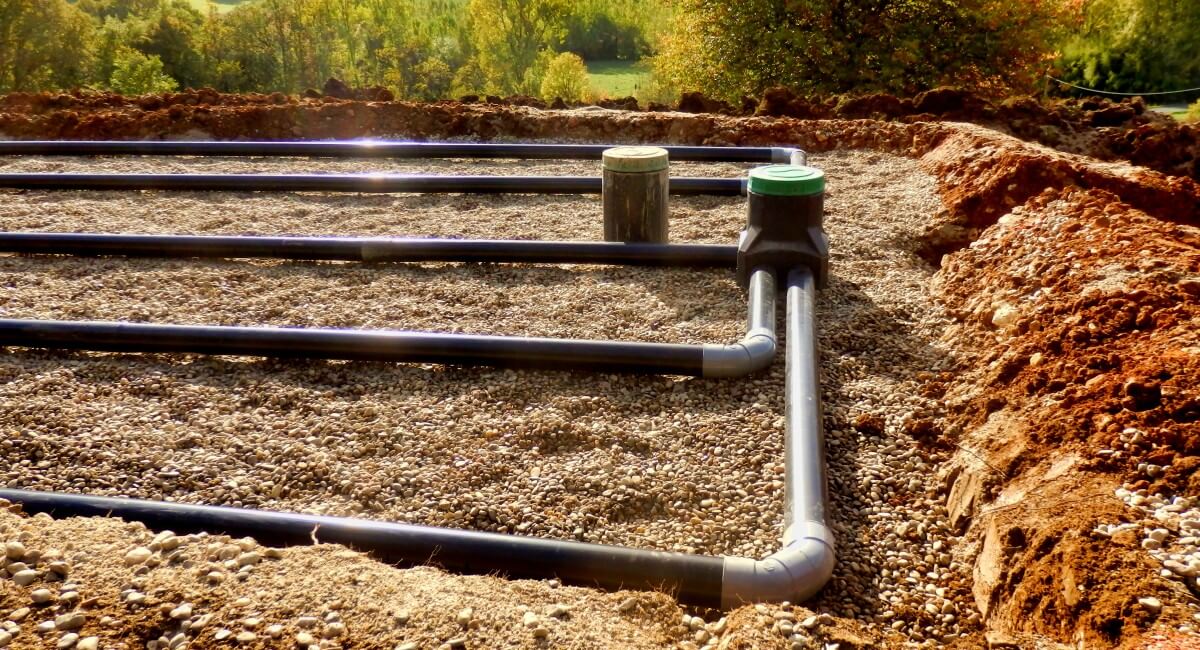
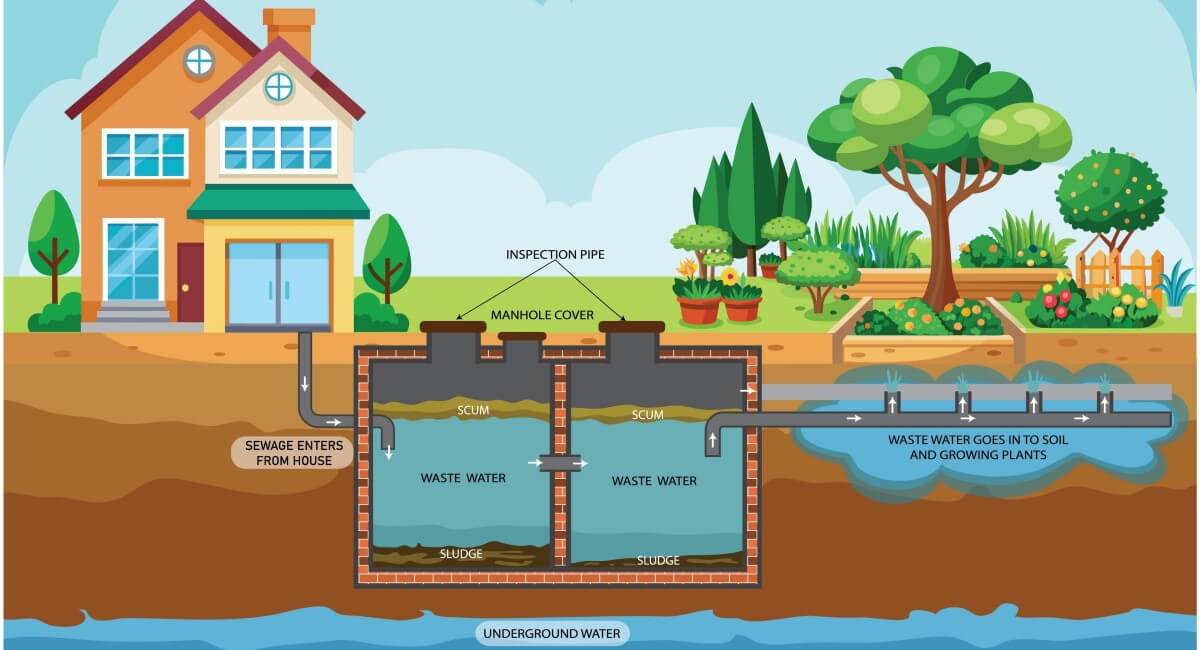
In a conventional system, wastewater from sinks, showers, toilets and laundry flows into an underground tank. Solids settle at the bottom, scum rises to the top, and liquid wastewater moves toward the drain field.
The drain field distributes this liquid into the soil for further treatment. Other system designs may use pumps or additional treatment components, so ask which type serves the home you are considering.
Benefits of a Septic System
A different approach to wastewater costs
A home using septic may avoid charges for municipal sewer service, but owners still pay for inspection, pumping and repairs. Verify the actual utility bills and any local fees before assuming savings.

On-site wastewater treatment
A properly designed, installed and maintained system treats wastewater on the property. Consistent care helps it do its job and protects nearby water resources.
Independence from municipal sewer lines
Septic provides wastewater service where a public sewer connection is unavailable. This does not make the home fully off-grid: its water supply may still be municipal, and some septic systems require electricity.
What to Plan for as a Homeowner
Build routine care into your budget
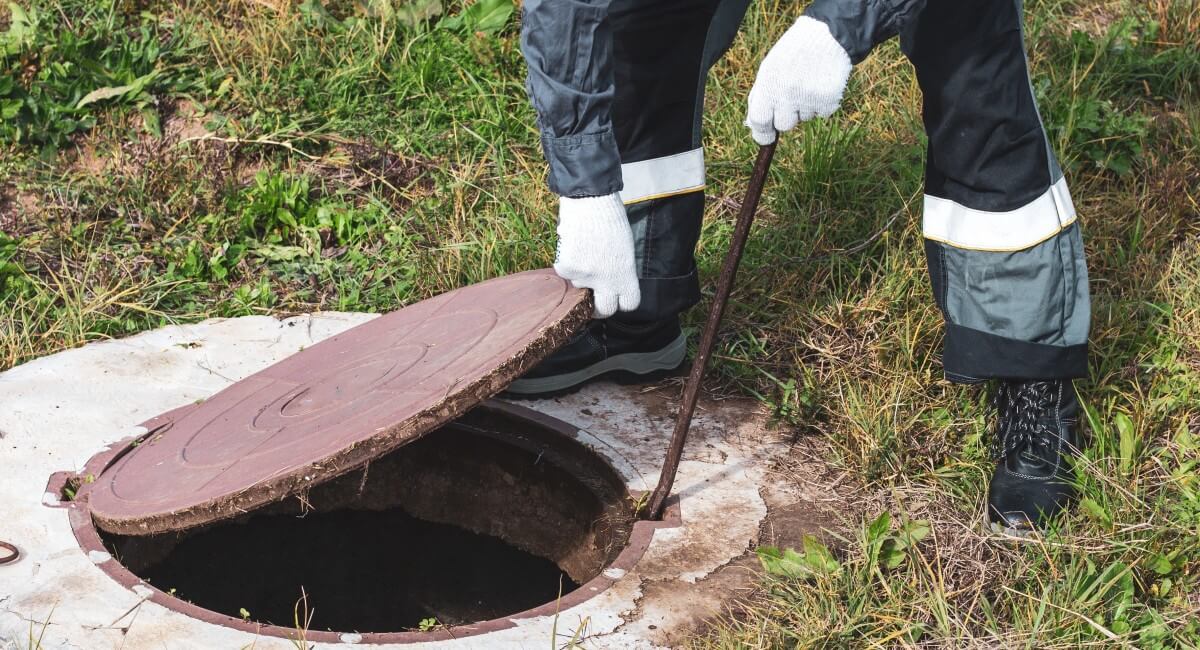
Septic ownership comes with periodic inspections and pumping, along with repairs when needed. Ask a local provider for estimates so you can include these expenses in your homeownership budget. Costs depend on access, system type, location and the work required.
Know when to call a professional
As with other home systems, addressing changes early can help prevent larger problems. Recurring slow drains, unusual odors or persistently wet areas near the drain field deserve professional attention. Sewage backups require prompt service. Ask your provider what to do after flooding or when the ground is saturated.
Plan your outdoor improvements
If a pool, garage, shed or addition is on your wish list, locate the tank, drain field and any designated replacement area first. A qualified designer and the local permitting authority can explain suitable locations, setbacks and access requirements. Keep vehicles off the drain field to protect it.
What to Check Before You Buy
Use the showing to gather questions
Ask the seller how the system has performed and whether any repairs have been needed. If you notice unusual odors, standing water or recurring drainage issues, mention them to the septic inspector. A lawn’s appearance alone cannot tell you the system’s condition; a professional evaluation gives you a clearer picture.
Review the system’s age and records
Ask for the installation date, permits, approved design, tank size, capacity, inspection reports and pumping or repair invoices. Confirm that the system is appropriate for the home’s approved use and bedroom count. The installation date provides useful context, while records and inspection findings help you understand its current condition.
Locate any replacement area
Ask whether a reserve or replacement drain field area is designated and whether it remains usable. Requirements vary, so confirm the property-specific situation with the appropriate local authority.
Let an inspection guide your decision
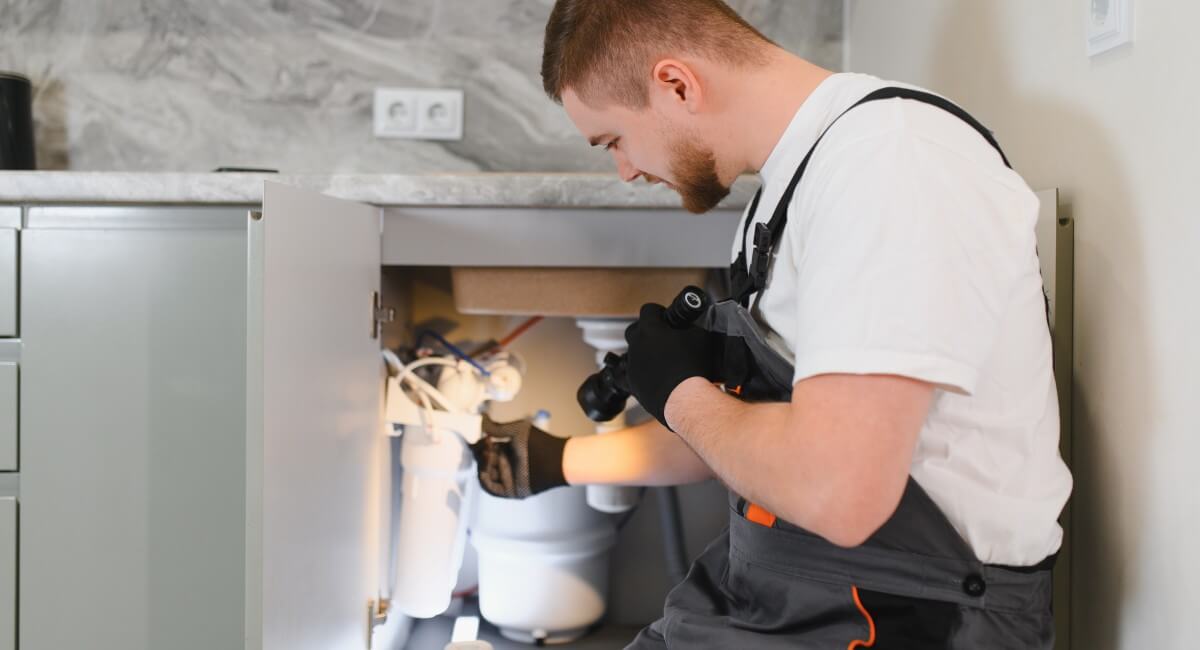
Ask a qualified septic professional to evaluate the system. Confirm the scope, whether tank access or pumping is needed, and which components will be assessed. A standard home inspection may not include this work.
Discuss a septic inspection contingency with your agent and attorney. If the inspection identifies work, written estimates can help you assess it and discuss next steps with the seller. Available options depend on your contract and negotiations.
Caring for Your System After Closing
Confirm applicable requirements
Ask the local health, environmental or permitting authority which inspection, maintenance, repair and setback requirements apply to your property. Keep your system records together for future service and resale.
Plan inspections and pumping
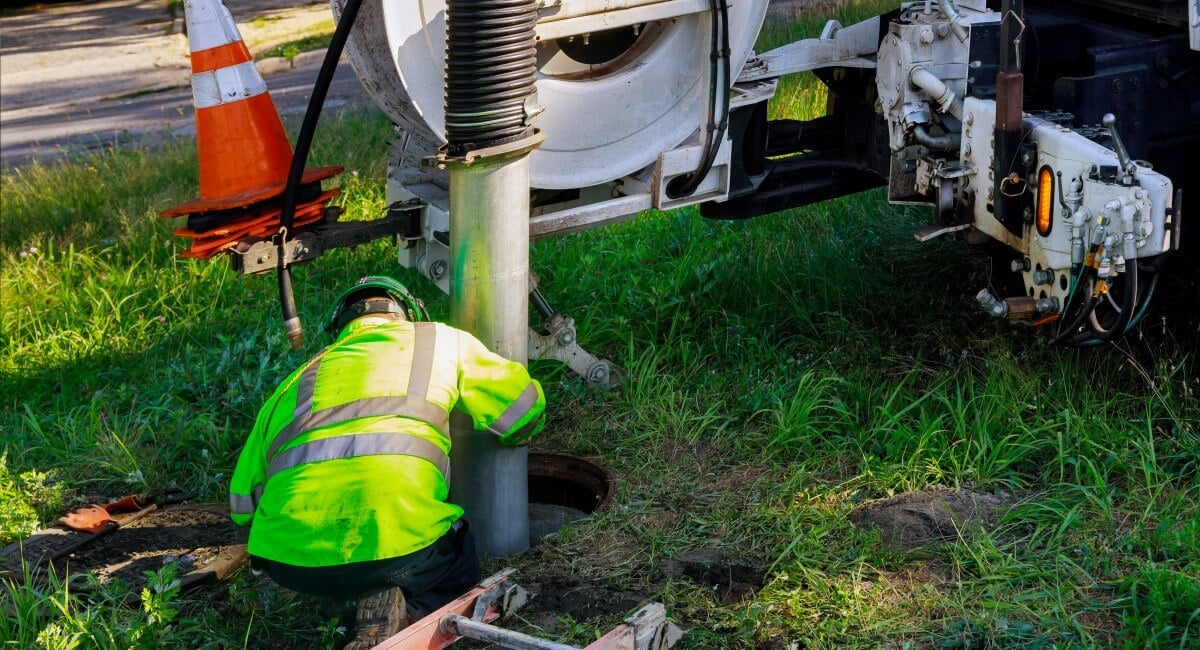
EPA guidance recommends inspecting an average household system at least every three years and typically pumping the tank every three to five years. Systems with mechanical or electrical components often need annual inspections. Your provider should set a schedule for your particular system.
Watch what goes down the drain
Flush only human waste and toilet paper. Keep wipes, grease, oils and harmful chemicals out of the system, and limit garbage disposal use.
Manage water use and protect the drain field
Repair leaks, spread laundry loads across the week and avoid overloading the system with water. Keep vehicles off the drain field and direct roof drainage away from it.
Focus on the Home and the Facts
A septic system does not automatically make a home a less desirable choice. What matters is whether the specific system is suitable for the property, how it has been maintained and what the inspection reveals.
With clear information and a practical care plan, you can decide whether the home fits your needs. The goal is to understand what you are buying and feel prepared for ownership.
Frequently Asked Questions
Should I buy a house with a septic system?
A home with a septic system can be a good choice. Review the maintenance records, approved capacity and inspection findings so you understand its condition and ownership needs before deciding.
Does a regular home inspection include a septic inspection?
A dedicated septic inspection may be separate from your home inspection. Ask what is included and arrange an evaluation with a qualified septic professional when needed.
How often should a septic tank be pumped?
Household septic tanks are typically pumped every three to five years. Your schedule depends on tank size, household use, solids buildup and the type of system. Follow your septic professional’s recommendations and applicable local requirements.
What should I do if I notice a change in the system?
Contact a septic professional if you notice recurring slow drains, unusual odors or persistently wet areas near the drain field. Sewage backups require prompt attention. Professional evaluation helps identify the cause and appropriate next steps.
How should I budget for septic ownership?
Ask a local provider for written estimates for inspections and pumping, plus any work recommended by the purchase inspection. Costs vary by location, access, system design and site conditions.
Can I add a pool, garage or shed near a septic system?
Outdoor improvements may be possible, depending on the property and proposed layout. Locate the tank, drain field and any replacement area, then ask a qualified designer and the local permitting authority about suitable locations, setbacks and access.
How long does a septic system last?
A properly designed and maintained system can serve a home for many years. Its lifespan depends on materials, installation, site conditions, use and care. Inspection findings and maintenance records are more useful than age alone.
Is caring for a septic system complicated?
Routine care is usually manageable: schedule inspections and pumping, flush only human waste and toilet paper, keep grease and wipes out of drains, use water efficiently and protect the drain field. Ask your provider about any additional care for your specific system.
YOUR NEIGHBORHOOD REALTOR
Buying a Home? Let’s Look Beyond the Listing.
I’ll help you identify the questions to ask and coordinate the next steps so you can make a more informed decision.
Joann Impellizine
Real Estate Associate Broker · Staten Island
General home buyer information. Property-specific system condition and applicable requirements should be confirmed with qualified professionals and the local permitting authority.
Check out this article next