
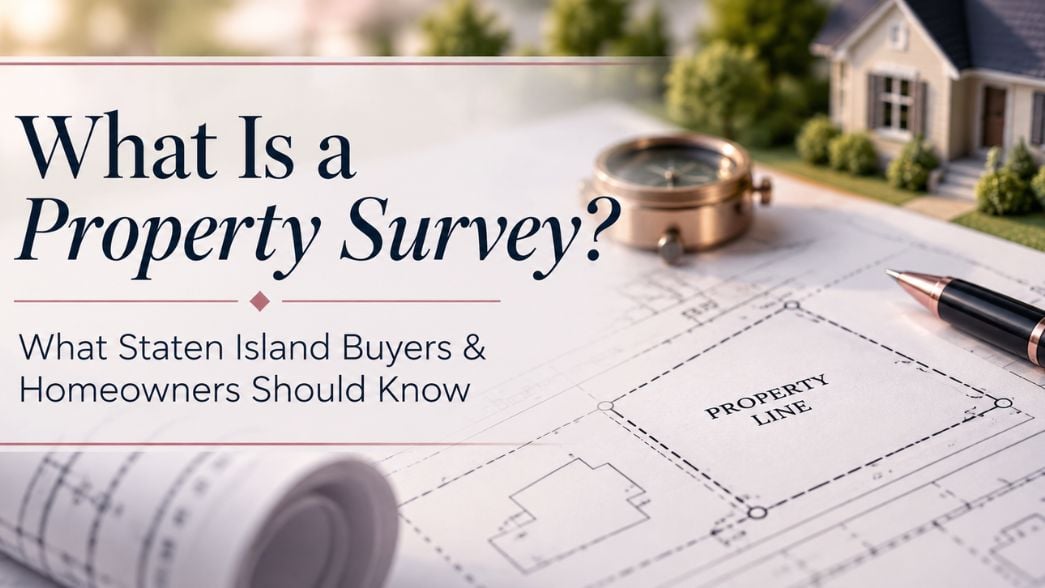
What Is a Property Survey & Why Does It Matter?
Property lines, easements and permanent improvements can all affect a home. Here’s what buyers and homeowners should know before making important real estate decisions.
The land a home sits on can be just as important as the house itself. Yet many homeowners have only a general idea of exactly where their property ends and their neighbor’s begins.
Whether you're buying a home, preparing to sell or planning an improvement, a property survey can provide valuable information about boundaries, structures and other features that affect the property.
What Is a Property Survey?
A property survey is a professional document used to identify a parcel of land and its boundaries. Depending on the type of survey, it may also show permanent structures, improvements, easements and other features affecting the property.
Different types of surveys provide different levels of information, so the survey needed for one property or transaction may not be the same as the survey needed for another.
Property Lines
A survey identifies the boundaries of the parcel rather than relying solely on fences, landscaping or assumptions about where the property begins and ends.
Permanent Improvements
Depending on the survey, buildings, driveways, sheds, pools, decks, fences and other permanent improvements may be shown.
Easements
A survey may help identify areas affected by certain easements or rights of use, such as utility access.
Site Features
Specialized surveys may document elevation, topography and other physical characteristics needed for construction or site planning.

Why Property Lines Matter
A fence, hedge or driveway may appear to establish an obvious property line, but the visible boundary isn't necessarily the legal boundary. A survey provides much more precise information about where the lot actually begins and ends.
This becomes particularly important when planning improvements near a boundary. Knowing the property lines beforehand can help homeowners avoid problems that may otherwise surface after construction has already begun.
What Might Appear on a Survey?
- Buildings and additions
- Driveways
- Garages and sheds
- Pools
- Decks
- Fences
- Sidewalks
- Other permanent improvements
Why This Can Matter Before You Sell
Staten Island homes often evolve over the years. Extensions, finished spaces, decks, pools, sheds, fences and altered driveways are common improvements. When preparing a property for sale, having your available surveys and property documents organized can help your real estate attorney and other professionals identify potential questions earlier in the transaction.
What Are Easements?

An easement generally gives another person, company or entity certain rights to use part of a property for a specific purpose. A common example involves access by a utility provider.
Because easements involve legal property rights, questions about an easement, title issue or its effect on ownership should be reviewed with the buyer's or seller's real estate attorney and other appropriate professionals.
Why Getting a Property Survey Can Be Helpful
Planning Property Improvements
If you're planning a fence, pool, deck, garage, addition or another improvement, understanding the lot boundaries is an important part of planning.
Depending on the project, zoning rules, permits, setback requirements and additional plans or approvals may also apply.
Helping Prevent Boundary Disputes
Property-line disagreements can become complicated quickly. A reliable survey can help clarify questions involving fences, structures or improvements located near neighboring properties.
Preparing for a Sale
If you already have a survey, it's a good idea to keep it with your other important property records. During a real estate transaction, the attorneys, title professionals, lender or other parties involved can determine whether an existing survey is sufficient or whether additional documentation is needed.
Do You Need a Property Survey Before Buying a Home?

A new property survey isn't necessarily required in every purchase. Requirements can depend on the particular property, mortgage lender, title company, available documentation and circumstances surrounding the transaction.
A survey may be especially helpful when there are questions about property boundaries, fences, additions, shared access or improvements close to a lot line.
Buyers who intend to significantly alter the property after closing may also benefit from understanding the boundaries before moving forward with future plans.
Don't Rely on Assumptions
If the location of a property line or improvement is important to your decision to purchase a home, discuss the issue with your real estate attorney, surveyor and other appropriate professionals before relying on what appears to be the boundary.
Can You Use an Older Property Survey?
An older survey may still provide helpful information, but it may not reflect changes that have occurred since the survey was completed.
For example, a later addition, pool, fence, deck, shed or other improvement may not appear on the original document.
Whether an existing survey can be used for a particular transaction is something the professionals involved in the sale can determine based on the circumstances.
How Much Does a Property Survey Cost?

The cost of a property survey can vary significantly depending on the location, size and complexity of the parcel, the type of survey being requested and the work required.
Rather than relying on a national average, homeowners and buyers should obtain a current quote from a licensed land surveyor for the particular property.
Property Surveys Provide Valuable Information
A survey isn't the most glamorous document involved in a real estate transaction, but it can answer some very important questions.
Where exactly are the property lines? Which improvements are shown? Are there areas that deserve additional investigation before you buy, sell or begin a project?
Real estate involves much more than bedrooms, kitchens and curb appeal. Understanding the details behind the property can help homeowners and buyers make more informed decisions.
Property Survey FAQs
What does a property survey show?
Depending on the type of survey, it may show property boundaries, buildings, driveways, fences, pools, decks, sheds, easements and other improvements or features affecting the property.
Do I need a property survey when buying a home?
Not every transaction requires a new survey. The need for one can depend on the property, lender, title requirements, existing documentation and circumstances surrounding the purchase.
Can an old property survey still be used?
Possibly. An older survey may still be useful, but it may not show improvements or changes made after the survey was completed. The professionals involved in the transaction can determine whether it is sufficient.
Does a fence establish the legal property line?
Not necessarily. A fence may sit on the boundary, inside the boundary or potentially across it. A property survey provides more reliable information about the actual lot lines.
Should I get a survey before installing a fence, pool or addition?
Understanding the property boundaries before making a significant improvement can help with planning and reduce the risk of a later boundary issue. Zoning, permit and setback requirements should also be confirmed before beginning work.
How much does a property survey cost on Staten Island?
Costs vary depending on the property, lot size, complexity and type of survey required. A licensed land surveyor can provide an up-to-date quote for the specific Staten Island property.
Thinking About Selling Your Staten Island Home?
Good preparation starts before the For Sale sign goes up. From property details and pricing to positioning and marketing, I help Staten Island homeowners understand what matters before bringing their home to market.
What Is My Home Worth? Explore Selling ServicesThis article is intended for general informational purposes only and is not legal, surveying, engineering, zoning or title advice. Requirements vary depending on the property and transaction. Consult the appropriate licensed professionals for advice regarding a specific property.
Check out this article next