
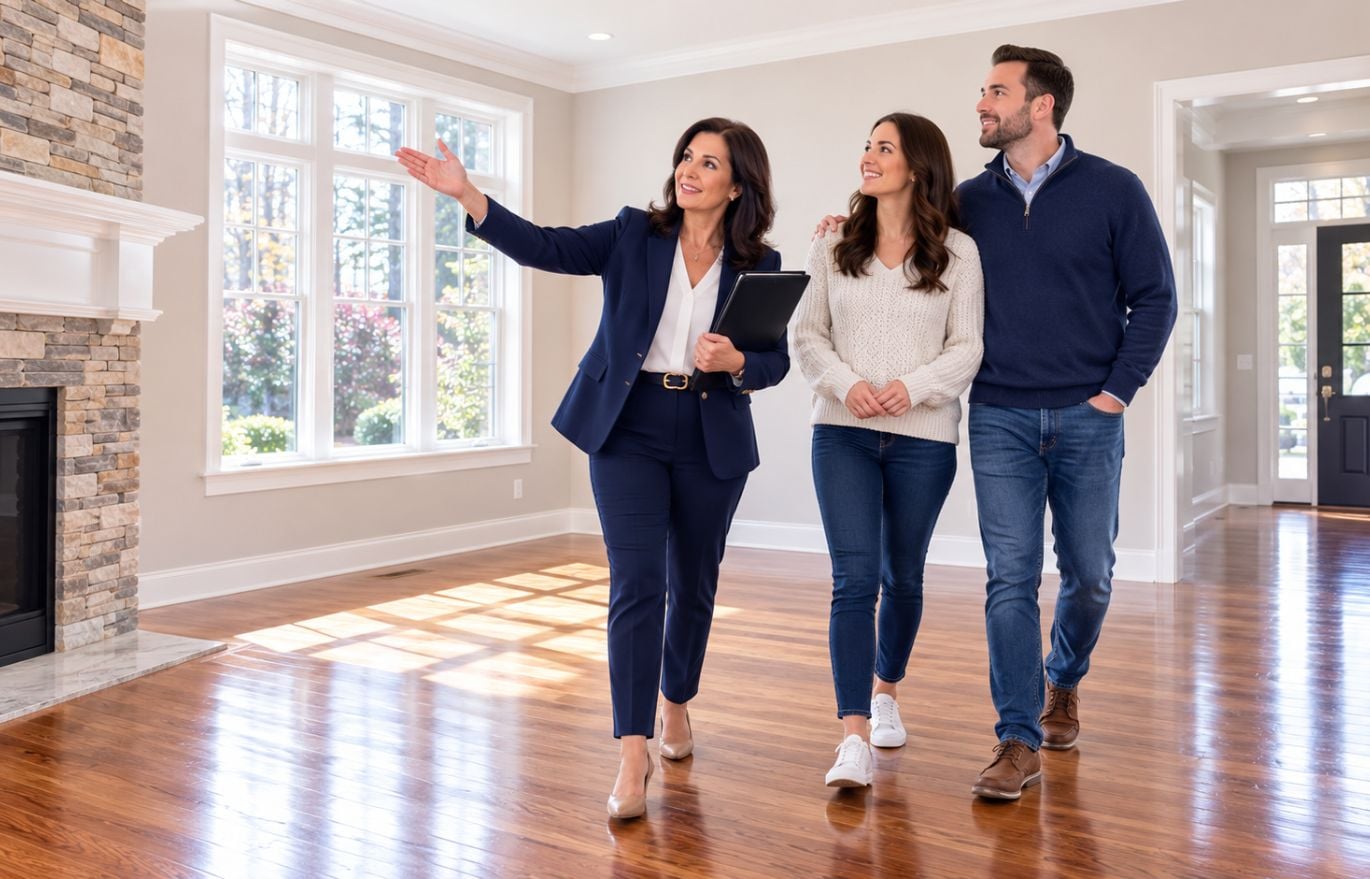
You’ve made it through the home search, inspection, negotiations, mortgage process and paperwork. Before the keys are handed over, there is one more important step: the final walk-through.

What Is a Final Walk-Through?
A final walk-through is typically completed shortly before the closing. Depending on the circumstances, it may take place the day before closing or even the morning of closing.
This is not the same as the home inspection.
The inspection happens earlier in the transaction and is designed to evaluate the home's systems and condition. The final walk-through is generally an opportunity to confirm that there have not been unexpected changes to the property and that the home is being delivered in accordance with the terms of the contract.
A final walk-through generally isn't a new inspection or an opportunity to renegotiate the transaction simply because a buyer notices something they don't like. The buyer's rights and the seller's obligations are determined by the contract, so contractual questions should be directed to the buyer's attorney.
What Should Buyers Check?
I recommend approaching the walk-through systematically rather than simply walking from room to room and saying, “Everything looks good.”
Every property and transaction is different, but some of the things we may look at during a final walk-through include:
- The property's overall visible condition
- Whether the seller's belongings have been removed as required
- Whether items included in the sale remain at the property
- Any repairs or other items previously agreed upon
- Faucets and plumbing fixtures for obvious problems
- Toilets and accessible plumbing
- Lights and switches
- Appliances included with the sale
- Heating or cooling systems, when appropriate and practical
- Windows and doors
- Garage doors or other included equipment
- Accessible basement, attic and exterior areas
- Any new visible damage since the buyer last saw the property

Check the Fixtures and Included Appliances
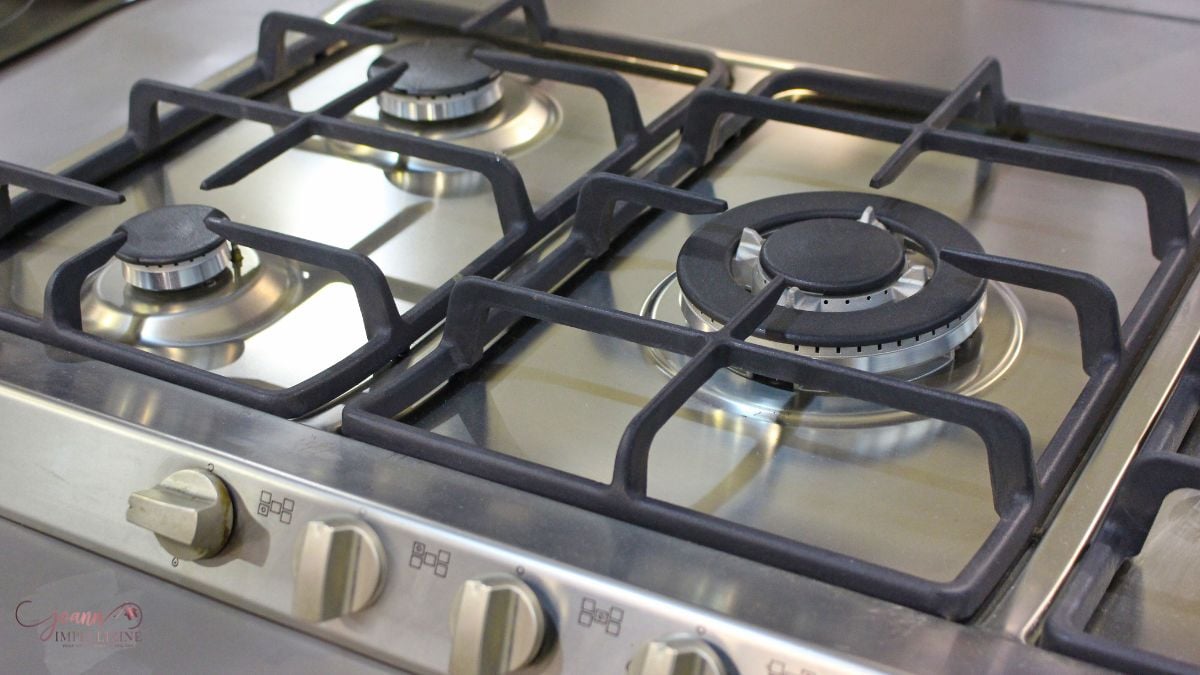
The walk-through is a good time to look at the fixtures and equipment that are part of the sale. Depending on the home and the contract, that might include plumbing fixtures, lighting, kitchen appliances and other items that are supposed to remain with the property.
If something doesn't appear to be working or an item expected to remain in the home is missing, it's better to identify the issue before the closing rather than afterward.
Don't Forget the Empty Rooms
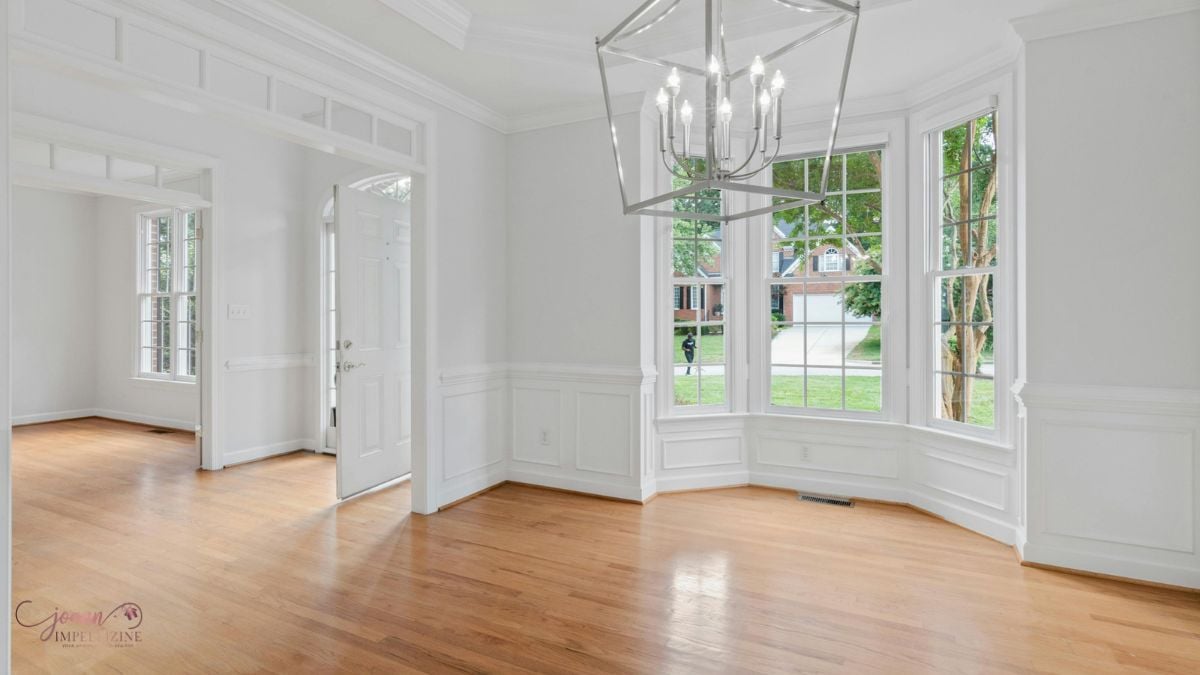
Something interesting happens when the seller moves out: you can finally see everything.
Furniture, rugs, artwork and storage can conceal portions of floors and walls that weren't previously visible.
That doesn't mean every mark or imperfection is automatically a problem. Homes—especially older homes—have normal wear and tear. But if something significant appears that wasn't previously visible, or the property's condition has materially changed, it is important to identify it before closing and involve the attorneys when appropriate.
“The goal isn't to rush through the walk-through. It's the last opportunity to carefully look at the home before closing.”
What About Repairs the Seller Agreed to Make?
If repairs or other work were negotiated during the transaction, I like to know exactly what was agreed upon before we arrive at the walk-through.
Documentation matters. Depending on the agreement, there may be receipts, invoices or other documentation available. The buyer's attorney can advise whether the seller has satisfied the contractual requirements.
The final walk-through isn't the time to rely on memory about who said what several weeks earlier.
What If We Find a Problem?
Discovering an issue during the final walk-through doesn't automatically mean the closing is canceled.
What happens next depends on the nature of the issue, the contract and the advice of the attorneys involved.
If something concerning is discovered, I can document what we're seeing and communicate with the appropriate parties. The attorneys can then determine how the matter should be handled before the transaction closes.
Sellers Should Prepare for the Walk-Through, Too
The final walk-through isn't something only buyers should think about. Proper preparation by the seller can help prevent unnecessary last-minute issues.
Before the buyer arrives, make sure the property is being delivered according to your contractual obligations. Remove belongings as required, don't remove fixtures or other items included in the sale, complete agreed-upon work and leave the property in the condition required by your contract.
And don't leave things behind simply because you think the buyer might want them.
Extra paint, old shelving, basement furniture or a collection of mystery items in the garage may not feel like a gift to the person who now has to dispose of them.
When you're unsure about what stays and what goes, ask your real estate agent and attorney before the walk-through.
How Long Does a Final Walk-Through Take?
There isn't one standard amount of time. A smaller property may take relatively little time, while a larger home or a transaction involving repairs or specific issues may warrant a more detailed review.
My goal isn't to rush through it. Closing is a major financial transaction, and taking the time to carefully look through the property before completing the purchase is worthwhile.

The Last Look Before the Keys
By the time we reach the final walk-through, we've usually spent weeks or months working toward closing. It's an exciting moment, but I still want my buyers focused on the property before we head to the closing table.
Buying a home isn't just about finding the right house. It's also about having experienced representation paying attention to the details throughout the transaction—from the initial search through the final walk-through and closing.
Final Walk-Through FAQs
When is the final walk-through usually done?
It is typically completed shortly before closing. Depending on the transaction, that may be the day before closing or the day of closing.
Is a final walk-through the same as a home inspection?
No. A home inspection generally takes place earlier in the transaction and evaluates the home's condition and systems. The final walk-through has a different purpose and occurs shortly before closing.
Should the seller's belongings be gone before the walk-through?
The property should be delivered in accordance with the terms of the contract. Buyers and sellers should consult their attorneys and real estate professionals if there is any question about what must be removed or what must remain.
What happens if a buyer finds damage during the final walk-through?
The appropriate response depends on the circumstances and the contract. The issue should be documented and brought to the attention of the parties and attorneys so they can determine the appropriate next step.
Can the final walk-through happen on closing day?
Yes. In some transactions the walk-through takes place on the same day as closing. The timing depends on the circumstances of the sale and arrangements made by the parties.
Buying or Selling a Home on Staten Island?
From preparing for the market to navigating inspections, negotiations, the final walk-through and closing, experienced representation matters at every stage of a real estate transaction.
Start a ConversationThis article is provided for general informational purposes only and is not legal advice. Contract terms and individual circumstances vary. Buyers and sellers should consult their attorney regarding their specific rights and obligations.
Check out this article next